
Pediatric Feeding Therapy
We help your child with
Feeding Skills Expanding Variety of Food Tactile Sensory Aversions Oral Motor Coordination Oral Hypersensitivity Oral Sensory Aversion Swallowing and Feeding Therapy
What is Feeding Therapy?
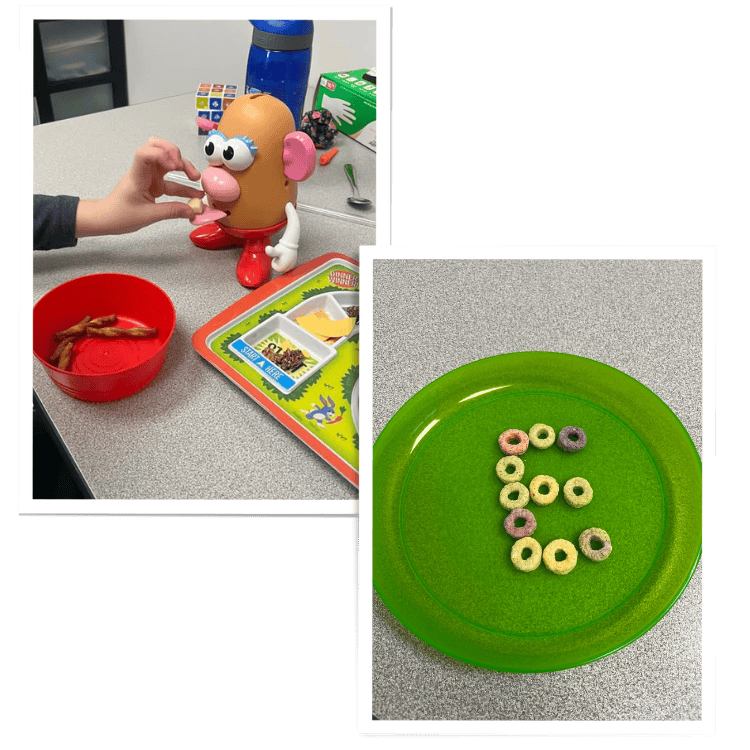
Improve feeding skills through specialized therapy and techniques.
Assess and diagnose feeding disorders and difficulties
Develop personalized treatment plans and goals to improve skills essential for feeding
Use various techniques and exercises to help patients improve their oral motor coordination for effective chewing and swallowing
Assist individuals in the areas of oral hypersensitivity as well as tactile and oral sensory aversions
Provide counseling and guidance to individuals and their families to help carryover skills into the home environment.
Why Use Us
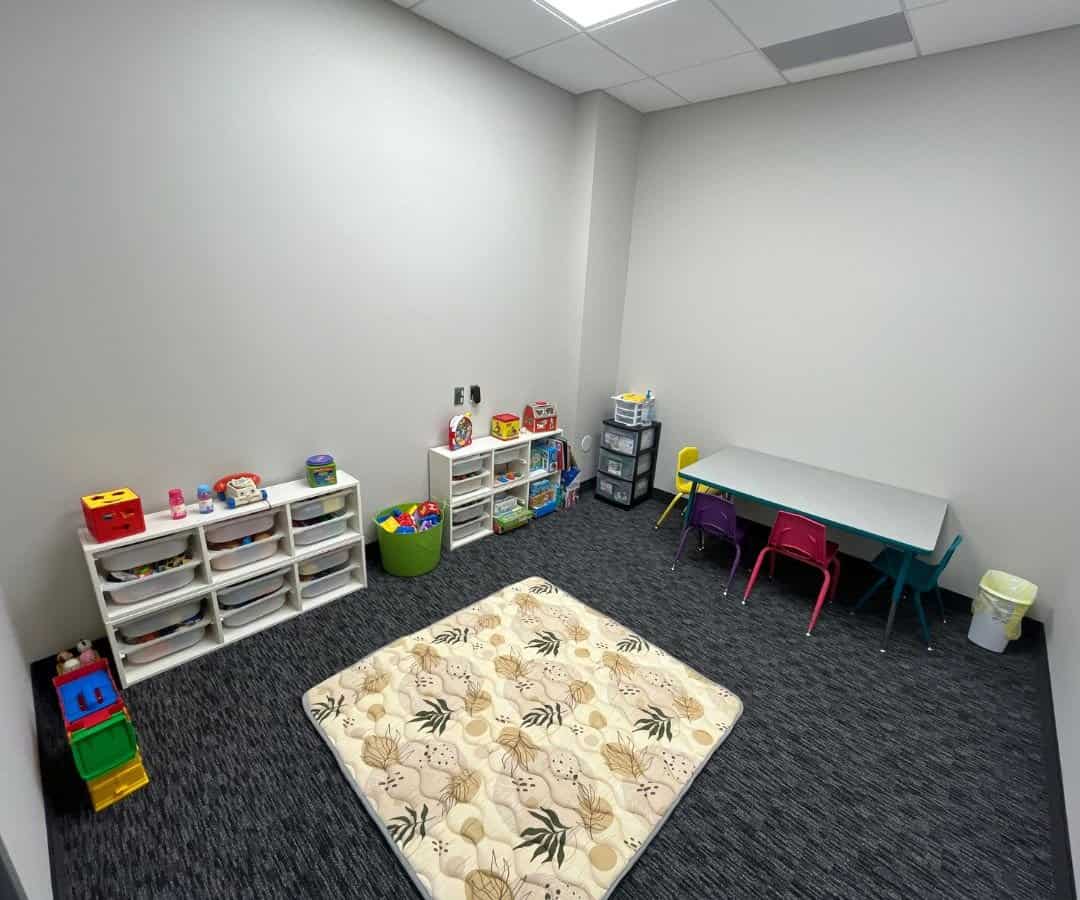
Our feeding therapy services provide a personalized and comprehensive approach to improving independence. We have a team of experienced and certified therapists who are dedicated to helping individuals of all ages.
Strengths-based Approach
Empower your personal growth and rediscover resilience with a strengths-based approach in therapy that helps you build on your inherent abilities to achieve lasting change.
Experience
Keri and Brittany each have over 11 years of experience working with the Pediatric population.
Collaboration
Keri and Brittany have been working together at multiple clinics in the past and have worked hard to create a culture of collaboration and teamwork.
Active Therapy
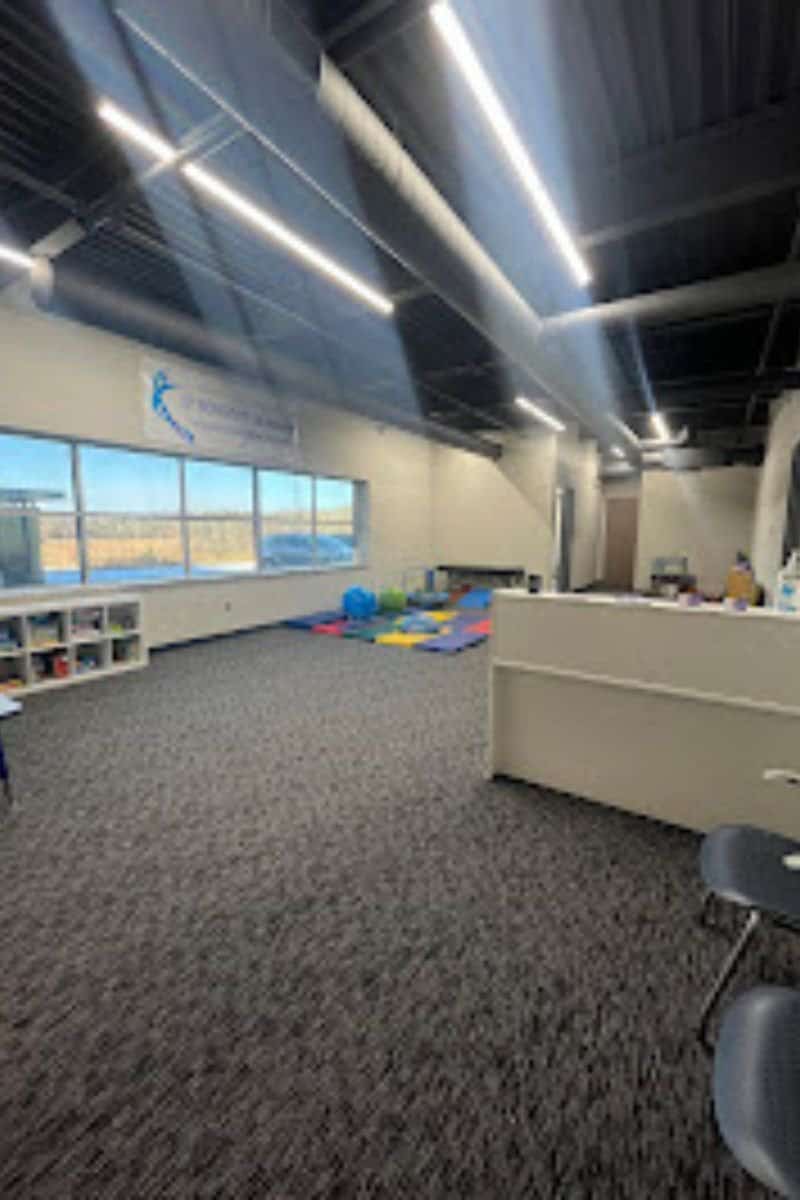
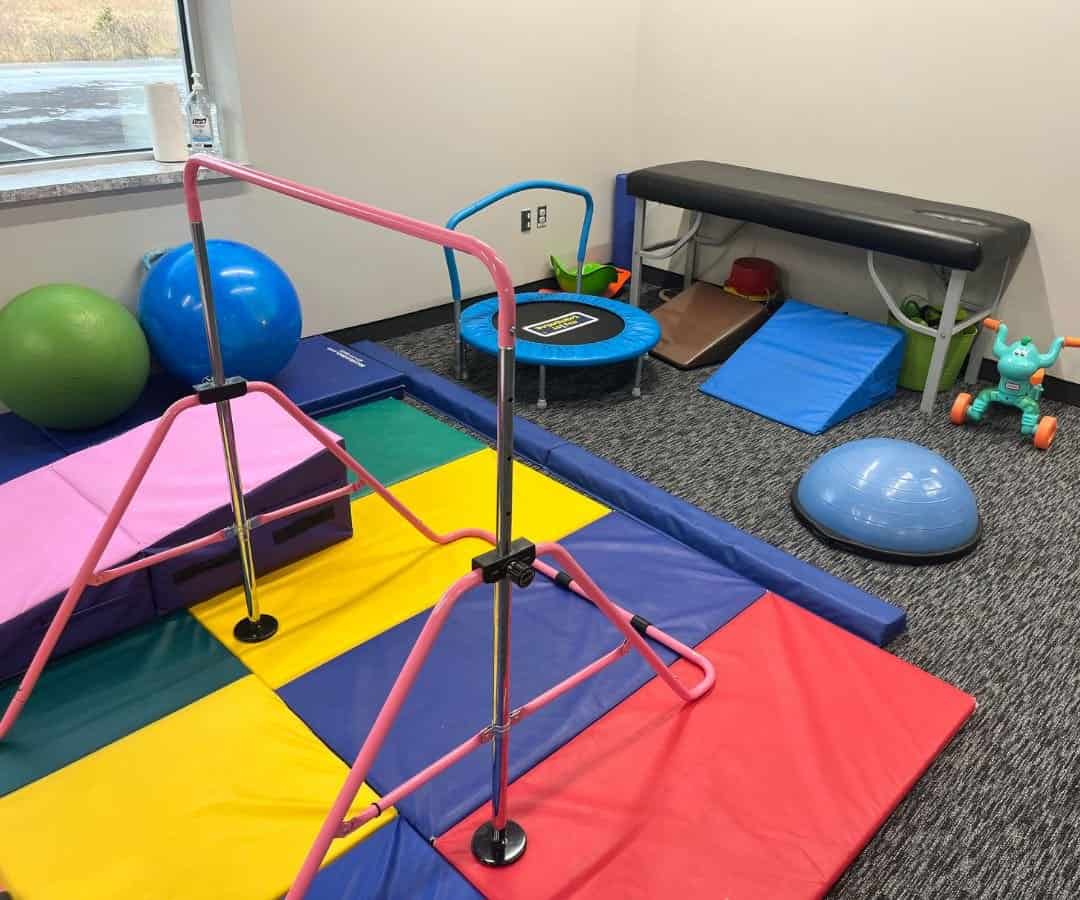
We believe that therapy can be both fun and productive. We add elements of movement and play to help achieve milestones while creating a fun environment that your child wants to come back to.

Our Feeding Therapy Services:

Assessment and Diagnosis
Our Occupational Therapists and Speech Language Pathologists work together to assess and diagnose feeding disorders and difficulties in children. This involves evaluating oral motor coordination, sensory aversions, feeding skills, and oral hypersensitivity,

Individualized Treatment
Occupational Therapists and Speech Language Pathologists develop personalized treatment plans to address specific feeding goals. They use a variety of techniques and strategies to improve expanding food varieties, oral motor skills, snesory aversions, self feeding, and oral hypersensitivity.

Expanding Variety of Foods
This focuses on expanding the variety of foods your child will explore or consume. We used a client led approach to interact with different food items to help expand an individual’s diet.

Tactile Sensory Aversions
Therapy for tactile sensory aversions is aimed at enhancing comfort with various textures while promoting independence and daily functioning. With a structured and supportive approach, individuals can gradually overcome their aversions, leading to improved quality of life and greater participation in everyday activities.

Oral Motor Coordination
Oral motor coordination refers to the ability to use the muscles of the mouth, lips, tongue, and jaw effectively for various functions, including speaking, eating, and drinking. This skill is essential for communication and swallowing, and difficulties in oral motor coordination can impact a child’s ability to articulate sounds, eat different textures, or manage saliva.

Oral Hypersensitivity
Therapy for oral hypersensitivity aims to reduce discomfort and improve functional skills related to eating and communication. By using a structured approach that involves gradual exposure, sensory play, and supportive techniques, individuals can become more comfortable with a wider range of oral experiences, enhancing their overall quality of life.

Feeding Skills
Speech language pathologists work with individuals who have cognitive-linguistic deficits due to neurological conditions like stroke or traumatic brain injury. They help improve memory, attention, problem-solving, and other cognitive skills necessary for effective communication.

Oral Sensory Aversions
Swallowing and Feeding Therapy
Speech language pathologists address swallowing and feeding difficulties, helping individuals improve oral motor control, manage dysphagia (swallowing disorders), and develop safe and effective feeding strategies.
We accept most insurances including medical assistance
*Individual plans may vary, check with your insurance to learn about specific coverage information.
Feeding Therapy – FAQs
Here are some answers to Frequently Asked Questions about Feeding Therapy
What is pediatric feeding therapy?
Pediatric feeding therapy is a specialized treatment designed to help children who have difficulty eating, drinking, or swallowing. It involves working with healthcare professionals such as speech-language pathologists, occupational therapists, and sometimes dietitians to address a wide range of feeding issues. These problems can include challenges with chewing, swallowing, food refusal, selective eating, or difficulty coordinating the muscles needed for feeding.
Do I need a referral from a pediatrician?
A referral from a pediatrician is not needed unless it is required by the individual’s insurance. The team will let you know if this is necessary when completing a benefit check.
What insurances are accepted?
We accept BlueCross BlueShield of Minnesota, Cigna, Medica, HealthPartners, Aetna, United HealthCare, and Medicaid Minnesota, although individual plans may vary. The team will do a benefit check to determine coverage prior to starting services.
How often will my child need therapy?
The frequency of therapy depends on the child’s needs and goal areas, which will be determined after their initial evaluation. Sessions can typically be scheduled from 1-2 times a week, though some children may benefit from more or less therapy.
How long are therapy sessions?
Most therapy sessions are 30-60 minutes and are tailored to your child’s specific needs and learning style.
Can I stay with my child during therapy sessions?
Yes, parents are encouraged to participate in therapy sessions to learn strategies that can be carried over into the home environment.
How do I know if my child needs therapy?
If you notice developmental delays, difficulty communicating or understanding language, problems with motor skills, or feeding challenges that interfere with your child’s daily life, a therapist can evaluate their needs. You may also consult with a therapist over the phone to determine if an evaluation is recommended.
What does an evaluation look like?
An evaluation typically involves observing your child, completing standardized assessments, and discussing their developmental history and current abilities with caregivers to determine areas that need support.