
Pediatric Speech Therapy
We help your child with
Speech and Language Fluency Articulation Voice Cognitive AACSkills
What is Speech Therapy?
Speech Therapy encompasses many areas of speech and learning.
Assess and diagnose speech, language, and communication disorders in individuals of all ages.
Develop personalized treatment plans and goals to improve speech and language abilities.
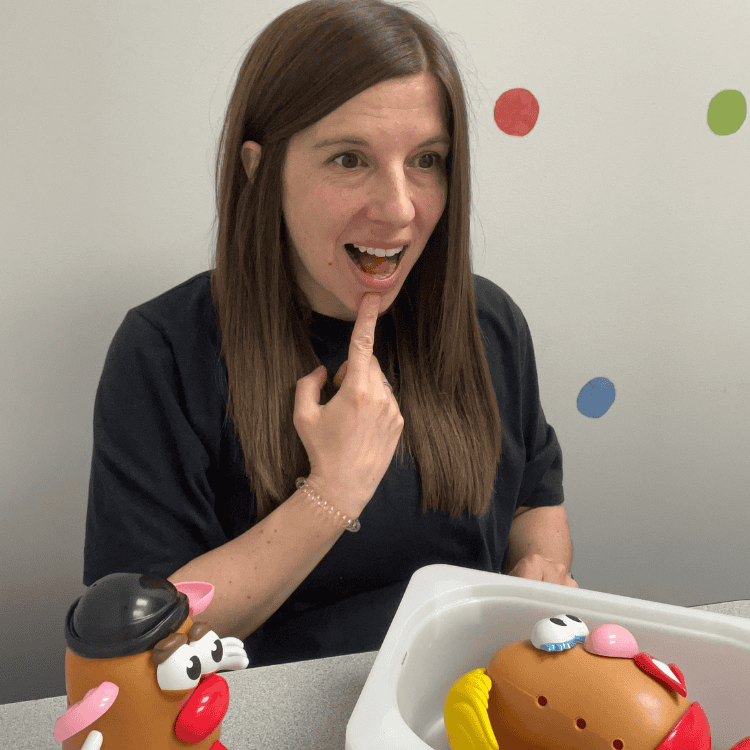
Use various techniques and exercises to help client improve their communication, language skills, speech clarity, fluency, and articulation.
Assist individuals in developing expressive and receptive language skills, including vocabulary, grammar, and understanding of language concepts.
Provide counseling and guidance to individuals and their families to address emotional and social aspects related to communication disorders.
Why Use Us?
Experience
Keri and Brittany each have over 11 years of experience working with the Pediatric population.
Strengths-based Approach
Empower your personal growth and rediscover resilience with a strengths-based approach in therapy that helps you build on your inherent abilities to achieve lasting change.
Collaboration
Keri and Brittany have been working together at multiple clinics in the past and have worked hard to create a culture of collaboration and teamwork.
Active Therapy
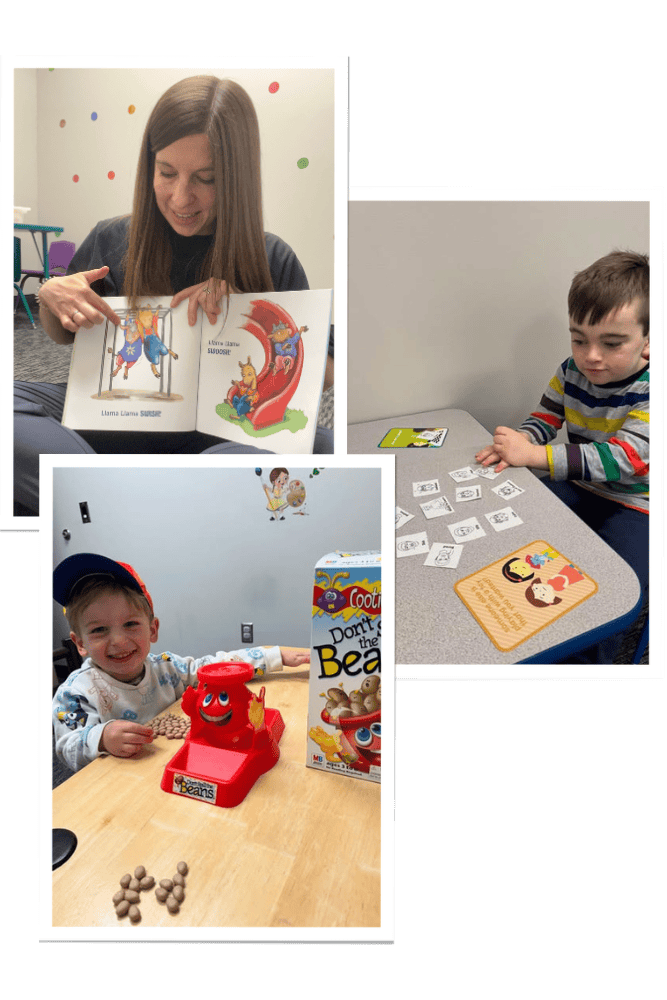
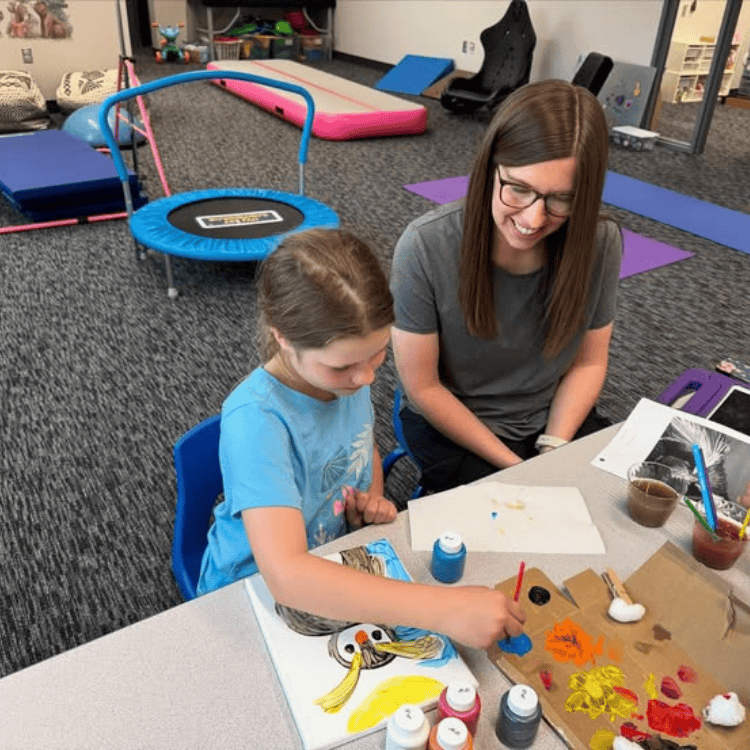
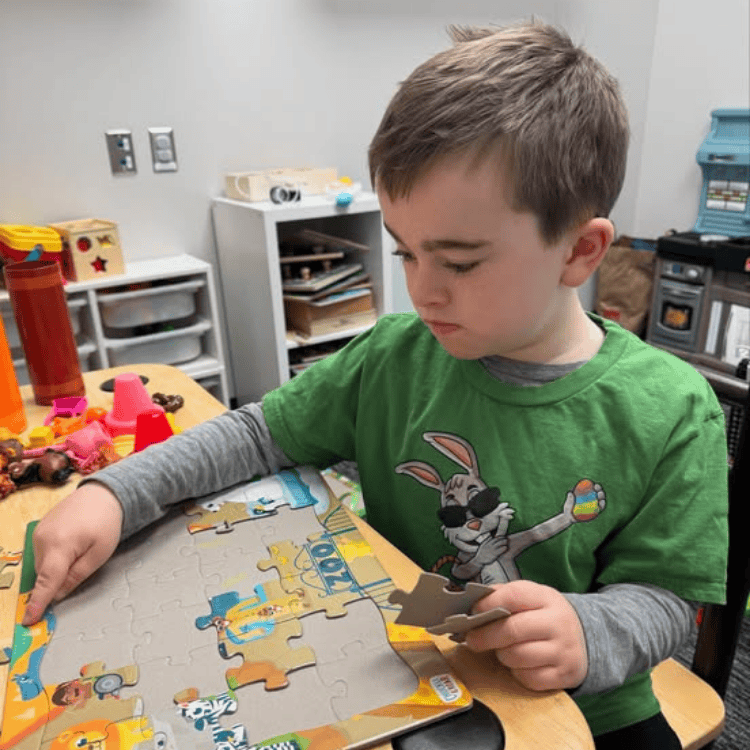
We believe that therapy can be both fun and productive. We add elements of movement and play to help achieve milestones while creating a fun environment that your child wants to come back to.

Our Services

Assessment and Diagnosis:
Speech Language Pathologists assess and diagnose communication disorders in individuals of all ages. This involves evaluating speech production, language comprehension, and communication skills.

Individualized Treatment
Speech language pathologists develop personalized treatment plans to address specific communication goals. They use a variety of techniques and strategies to improve speech clarity, language expression, and overall communication abilities.

Articulation and Phonological Therapy
This focuses on improving speech sound production and clarity. Speech language pathologists help individuals learn the correct placement and movement of articulators (e.g., lips, tongue, jaw) for accurate speech production.

Language Intervention
Speech language pathologists target language skills such as vocabulary, grammar, sentence structure, and comprehension. They work on developing expressive language (speaking and writing) and receptive language (listening and understanding).

Fluency Therapy
For individuals with fluency disorders like stuttering, speech language pathologists provide strategies and techniques to improve speech fluency and reduce disfluencies. They also address any associated emotional or psychological factors.
Voice Therapy
Speech language pathologists help individuals improve vocal quality, pitch, loudness, and overall voice projection. This includes techniques to reduce vocal strain or to modify vocal habits that may be causing vocal issues.
Cognitive Rehabilitation
Speech language pathologists work with individuals who have cognitive-linguistic deficits due to neurological conditions like stroke or traumatic brain injury. They help improve memory, attention, problem-solving, and other cognitive skills necessary for effective communication.

Collaboration and Counseling
Speech language pathologists collaborate with families, educators, and other healthcare professionals to provide comprehensive care. They may also offer counseling and support to individuals and their families to address emotional and social aspects related to communication disorders.

Augmentative and Alternative Communication (AAC)
For individuals with severe communication impairments, speech language pathologists offer support in using communication aids like sign language, picture symbols, or computer-based communication devices.

Swallowing and Feeding Therapy
Speech language pathologists address swallowing and feeding difficulties, helping individuals improve oral motor control, manage dysphagia (swallowing disorders), and develop safe and effective feeding strategies.
We accept most insurances including medical assistance
*Individual plans may vary, check with your insurance to learn about specific coverage information.
Speech Therapy FAQs
Here are some answers to Frequently Asked Questions about Speech Therapy
What is pediatric speech therapy?
Pediatric speech therapy is a specialized field of therapy focused on helping children with speech, language, communication, cognition, and swallowing difficulties.
What skills does a Speech Language Pathologist work on?
Speech Production
Articulation: Correcting sound production errors (e.g., substituting “w” for “r”).
Fluency: Addressing stuttering, cluttering, or other disruptions in the flow of speech.
Voice: Improving vocal quality, pitch, volume, and resonance to ensure healthy and effective communication.
Language Skills
Receptive Language: Understanding spoken or written language (e.g., following directions, comprehending stories)
Expressive Language: Producing language (e.g., forming sentences, using appropriate vocabulary, and grammar)
Social Communication (Pragmatics): Developing conversational skills, understanding social cues, turn-taking, and using appropriate tone and body language in various social settings
Cognitive-Communication Skills
Attention and Focus: Helping individuals maintain concentration during communication tasks.
Memory and Recall: Assisting with short-term or long-term memory, particularly in tasks like following directions or recalling important details.
Problem-Solving and Reasoning: Improving the ability to think through situations and communicate effectively in complex scenarios.
Swallowing (Dysphagia)
Oral-Motor Skills: Helping individuals coordinate the muscles used for eating and swallowing
Safe Swallowing: Addressing challenges related to swallowing difficulties (e.g., aspiration or choking risks)
Nutritional Safety: Assisting individuals in managing food and drink textures to ensure safe eating
Augmentative and Alternative Communication (AAC): Supporting individuals who cannot use verbal speech to communicate through devices, signs, or symbols.
What does an evaluation look like?
An evaluation typically involves observing your child, completing standardized assessments, and discussing their developmental history and current abilities with caregivers to determine areas that need support.
Do I need a referral from a pediatrician?
A referral from a pediatrician is not needed unless it is required by the individual’s insurance. The team will let you know if this is necessary when completing a benefit check.
How long are therapy sessions?
Most therapy sessions are 30-60 minutes and are tailored to your child’s specific needs and learning style.
Can I stay with my child during therapy sessions?
Yes, parents are encouraged to participate in therapy sessions to learn strategies that can be carried over into the home environment.
How do I know if my child needs therapy?
If you notice developmental delays, difficulty communicating or understanding language, problems with motor skills, or feeding challenges that interfere with your child’s daily life, a therapist can evaluate their needs. You may also consult with a therapist over the phone to determine if an evaluation is recommended.
How often will my child need therapy?
The frequency of therapy depends on the child’s needs and goal areas, which will be determined after their initial evaluation. Sessions can typically be scheduled from 1-2 times a week, though some children may benefit from more or less therapy.
What insurances are accepted?
We accept BlueCross BlueShield of Minnesota, Cigna, Medica, HealthPartners, Aetna, United HealthCare, and Medicaid Minnesota, although individual plans may vary. The team will do a benefit check to determine coverage prior to starting services.