
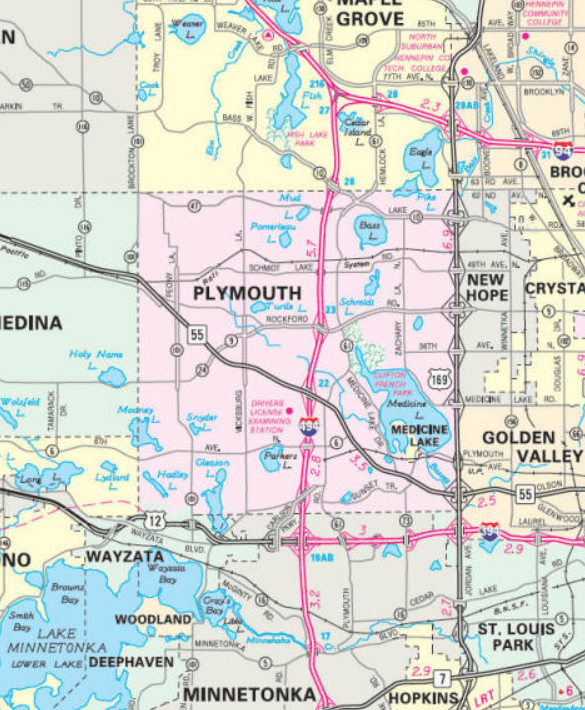
Plymouth, MN
Pediatric Speech & Occupational Therapy near Plymouth!
Experienced and licensed Speech and Occupational Therpists near Plymouth, MN
Our brand-new clinic is about 10 minutes from Plymouth.

Our Clinic
We are conveniently located off of Hwy 55 about 10-15 minutes from Plymouth
We are located inside Adam’s Pest Control’s New Corporate Office off of Highway 55. Our clinic is a new build that was completed in December of 2024.
See our Facility Disclosure from Adam’s for additional information about this space.
While driving by or when visiting you may see one of the Bald Eagles that live in the near-by Eagles Nest.
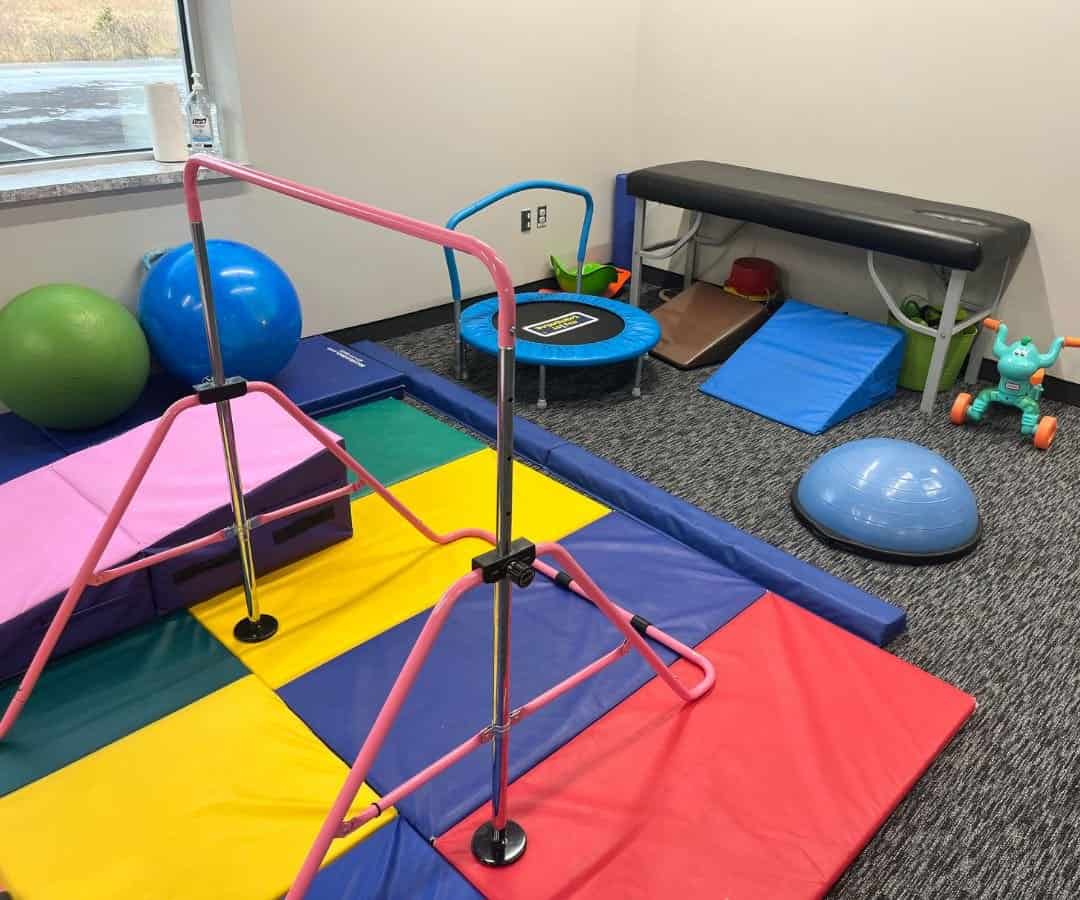
Our clinic is made for fun and exploration
With 1,400 square feet of space we have a large open area for play and movement. There are two dedicated therapy rooms, one for Speech and one for Occupational Therapy when one-on-one time with your child is best.
If you want to learn more about the clinic and our location we would love to give you a tour.
Plymouth Speech & Occupational Therapy Done Right
Our team is a great choice for your child if you live in Plymouth, MN or the surrounding area.
Experience
Keri and Brittany each have over 11 years of experience working with the Pediatric population.
Strengths-based Approach
Empower your personal growth and rediscover resilience with a strengths-based approach in therapy that helps you build on your inherent abilities to achieve lasting change.
Collaboration
Keri and Brittany have been working together at multiple clinics in the past and have worked hard to create a culture of collaboration and teamwork.
Active Therapy
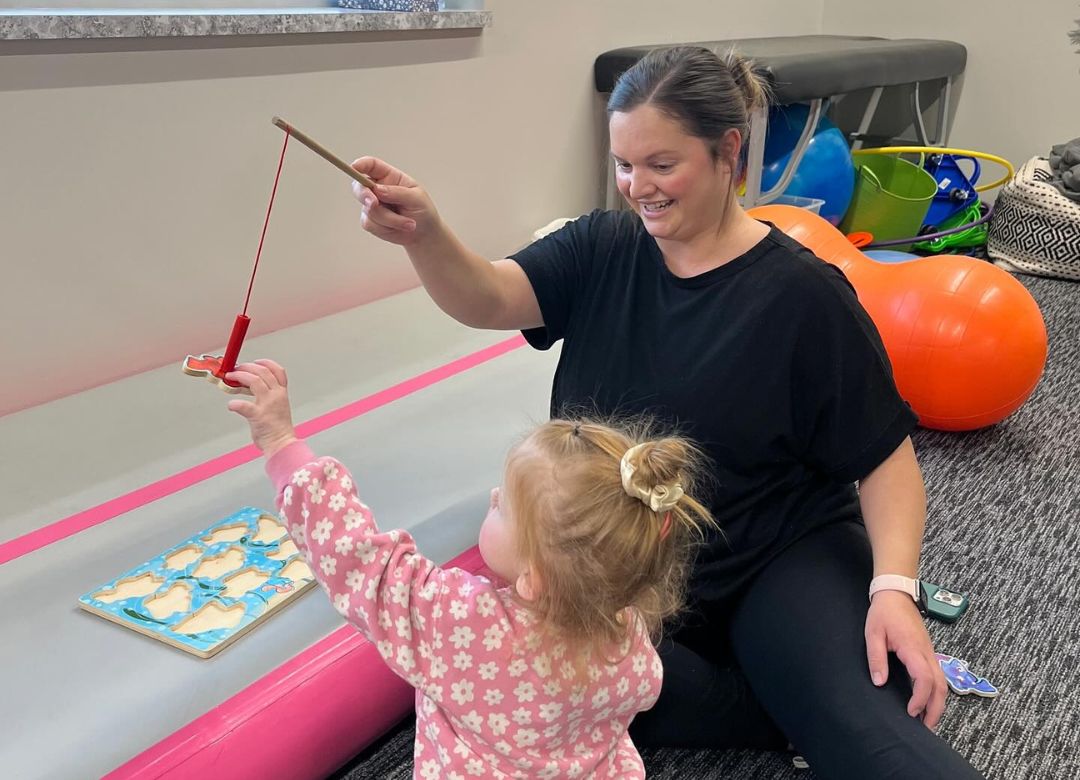
We believe that therapy can be both fun and productive. We add elements of movement and play to help achieve milestones while creating a fun environment that your child wants to come back to.
Our Services
Occupational Therapy
- Improving motor coordination
- Gaining skills in emotional regulation
- Achieving independence of daily living skills
Speech Therapy
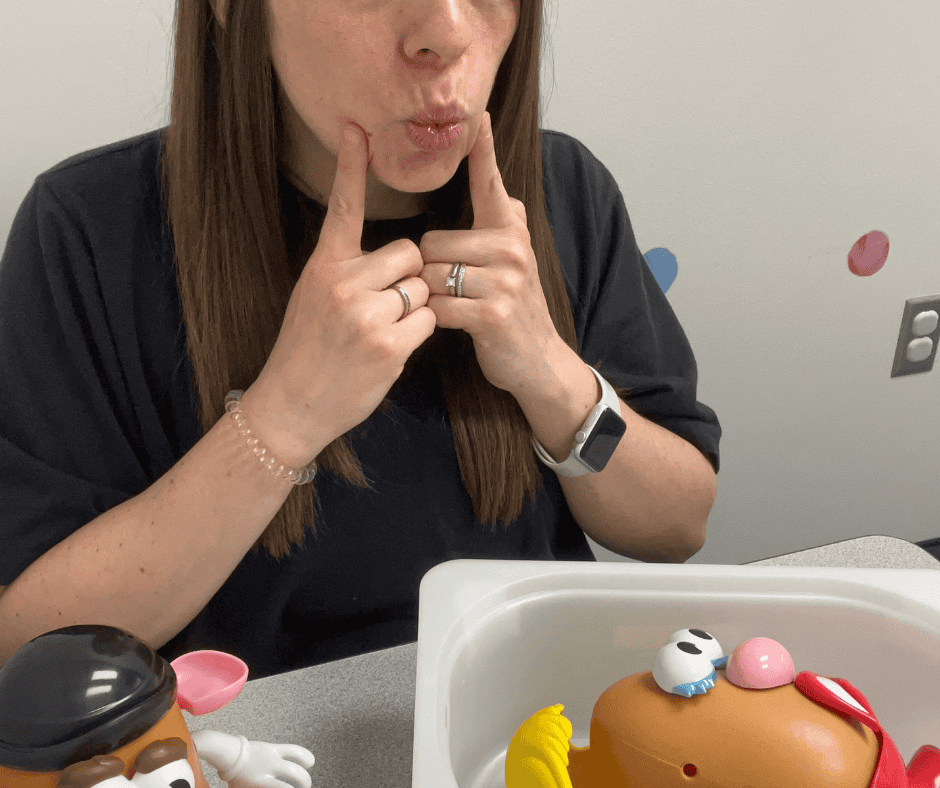
- Enhancing communication skills
- Gaining language skills
- Improving articulation skills
Feeding Therapy
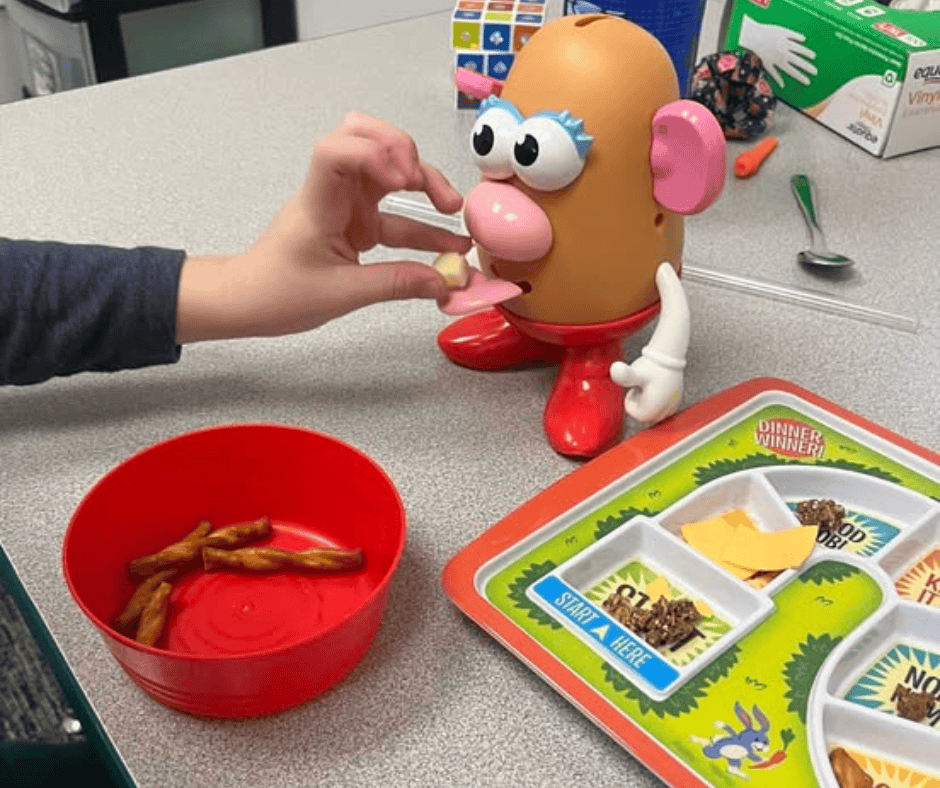
- Feeling less stressed at meal time
- Transitioning to solids
- Expanding their diet
- Strengthening oral motor skills for safe and effective eating
We accept most insurances including medical assistance
*Individual plans may vary, check with your insurance to learn about specific coverage information.
Discover Plymouth, Minnesota
Early Beginnings and Settlement
Plymouth’s story begins with the Ojibwa Native American tribe, the area’s original inhabitants. The mid-19th century saw the arrival of European settlers, predominantly French and German, who named the city Plymouth, inspired by similarities to Plymouth, Massachusetts.
Growth and Development
Plymouth’s early economy thrived on agriculture, especially wheat farming. The arrival of the railroad in the late 1800s marked a transformative period, enhancing commercial opportunities and connectivity.
Over the years, Plymouth has developed into a bustling suburban city. Its closeness to Minneapolis has fueled its growth, making it a popular choice for those seeking balance between urban convenience and suburban tranquility. Today, Plymouth boasts a strong economy, excellent schools, and a vibrant community spirit.
Whether you’re exploring scenic parks or enjoying local amenities, Plymouth offers a welcoming experience for everyone.
Things to do around Plymouth, MN
Millennium Garden
Located next to the Plymouth Community Center, the Millennium Garden is a popular venue for wedding ceremonies due to its natural beauty and peaceful presence.
Wayzata Bay
A picturesque lakefront area offering scenic views, walking trails, and opportunities for boating and fishing. It’s a great place to relax and enjoy the beauty of nature.
Plymouth Historical Society
If you’re interested in local history, this is a must-visit attraction. Explore exhibits showcasing Plymouth’s heritage and learn about the early settlers who shaped the city.
French Regional Park
A perfect spot for outdoor enthusiasts, this park features biking trails, picnic areas, and a beach. You can enjoy activities like hiking, birdwatching, and paddleboarding.



FAQs
Here are some answers to Frequently Asked Questions.
What is pediatric speech therapy?
Pediatric speech therapy is a specialized field of therapy focused on helping children with speech, language, communication, cognition, and swallowing difficulties.
What skills does a Speech Language Pathologist work on?
Speech Production
Articulation: Correcting sound production errors (e.g., substituting “w” for “r”).
Fluency: Addressing stuttering, cluttering, or other disruptions in the flow of speech.
Voice: Improving vocal quality, pitch, volume, and resonance to ensure healthy and effective communication.
Language Skills
Receptive Language: Understanding spoken or written language (e.g., following directions, comprehending stories)
Expressive Language: Producing language (e.g., forming sentences, using appropriate vocabulary, and grammar)
Social Communication (Pragmatics): Developing conversational skills, understanding social cues, turn-taking, and using appropriate tone and body language in various social settings
Cognitive-Communication Skills
Attention and Focus: Helping individuals maintain concentration during communication tasks.
Memory and Recall: Assisting with short-term or long-term memory, particularly in tasks like following directions or recalling important details.
Problem-Solving and Reasoning: Improving the ability to think through situations and communicate effectively in complex scenarios.
Swallowing (Dysphagia)
Oral-Motor Skills: Helping individuals coordinate the muscles used for eating and swallowing
Safe Swallowing: Addressing challenges related to swallowing difficulties (e.g., aspiration or choking risks)
Nutritional Safety: Assisting individuals in managing food and drink textures to ensure safe eating
Augmentative and Alternative Communication (AAC): Supporting individuals who cannot use verbal speech to communicate through devices, signs, or symbols.
What is pediatric occupational therapy?
Pediatric occupational therapy (OT) is a type of therapy that helps children develop the skills needed to participate in everyday activities or “occupations.” For children, these activities include things like playing, learning, self-care tasks (dressing, eating, brushing teeth), and interacting with peers. Occupational therapists work with children to improve their ability to perform tasks that are important for their development, independence, and overall well-being.
What skills does an Occupational Therapist work on?
Motor Skills Development:
Fine Motor Skills: These involve the small muscles of the hands and fingers used for tasks like writing, drawing, buttoning clothes, or using utensils.
Gross Motor Skills: These involve larger muscle groups and activities such as running, jumping, balancing, and climbing.
Sensory Processing: Some children have difficulty processing sensory information (e.g., sounds, textures, or lights), which can affect their ability to function in everyday situations. An OT can help children better understand and respond to sensory inputs, improving how they engage with the world.
Sensory Integration: Some kids might be oversensitive (hyper-responsive) or under-sensitive (hypo-responsive) to sensory stimuli like noise, touch, or movement. OT helps them adjust and respond more appropriately to these sensory challenges.
Self-care Skills: Pediatric OTs help children with tasks like dressing, feeding, bathing, grooming, and toileting. Developing these skills helps children gain independence and confidence.
Cognitive and Attention Skills: Occupational therapists also work on improving cognitive skills such as attention, problem-solving, memory, and organization, which are necessary for schoolwork and daily life.
Social and Emotional Skills: Many children need help understanding and expressing emotions, developing appropriate social skills, and learning to interact with others in a variety of social situations. OT can help children with these challenges, particularly those with developmental or behavioral disorders (like autism)
Play Skills: Play is a crucial part of childhood development. Occupational therapists help children develop appropriate play skills, such as sharing, taking turns, and using toys in creative ways. Play therapy can also support social interactions, imagination, and cognitive development.
How long are therapy sessions?
Most therapy sessions are 30-60 minutes and are tailored to your child’s specific needs and learning style.
Can I stay with my child during therapy sessions?
Yes, parents are encouraged to participate in therapy sessions to learn strategies that can be carried over into the home environment.
What is pediatric feeding therapy?
Pediatric feeding therapy is a specialized treatment designed to help children who have difficulty eating, drinking, or swallowing. It involves working with healthcare professionals such as speech-language pathologists, occupational therapists, and sometimes dietitians to address a wide range of feeding issues. These problems can include challenges with chewing, swallowing, food refusal, selective eating, or difficulty coordinating the muscles needed for feeding.
How do I know if my child needs therapy?
If you notice developmental delays, difficulty communicating or understanding language, problems with motor skills, or feeding challenges that interfere with your child’s daily life, a therapist can evaluate their needs. You may also consult with a therapist over the phone to determine if an evaluation is recommended.
What does an evaluation look like?
An evaluation typically involves observing your child, completing standardized assessments, and discussing their developmental history and current abilities with caregivers to determine areas that need support.
Do I need a referral from a pediatrician?
A referral from a pediatrician is not needed unless it is required by the individual’s insurance. The team will let you know if this is necessary when completing a benefit check.
How often will my child need therapy?
The frequency of therapy depends on the child’s needs and goal areas, which will be determined after their initial evaluation. Sessions can typically be scheduled from 1-2 times a week, though some children may benefit from more or less therapy.
What insurances are accepted?
We accept BlueCross BlueShield of Minnesota, Cigna, Medica, HealthPartners, Aetna, United HealthCare, and Medicaid Minnesota, although individual plans may vary. The team will do a benefit check to determine coverage prior to starting services.