
Pediatric Occupational Therapy
We help your child with
Fine Motor Coordination Sensory Processing Emotional Regulation Self Care Independence Visual Motor Coordination Gross Motor CoordinationSkills
Improve daily living, motor skills, and overall independence through specialized therapy and techniques.
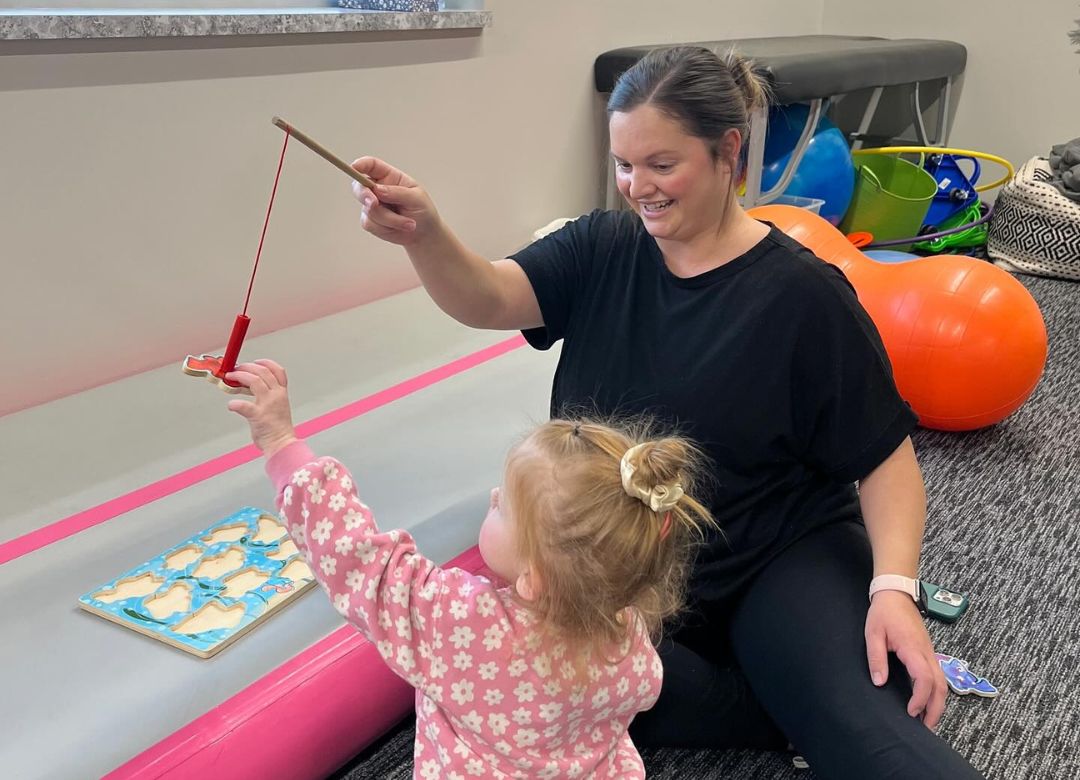
What is Occupational Therapy?
Occupational Therapy encompasses many areas of coordination and sensory processing.
Assess skills related to fine motor coordination, gross motor coordination, visual motor coordination, self-care, sensory processing, and emotional regulation
Develop personalized treatment plans and goals to improve abilities and skills
Use various techniques and interventions to help clients improve activities of daily living and promote independence
Provide counseling and guidance to individuals and their families to help carryover skills into the home environment.
Why Use Us
Strengths-based Approach
Empower your personal growth and rediscover resilience with a strengths-based approach in therapy that helps you build on your inherent abilities to achieve lasting change.
Experience
Keri and Brittany each have over 11 years of experience working with the Pediatric population.
Collaboration
Keri and Brittany have been working together at multiple clinics in the past and have worked hard to create a culture of collaboration and teamwork.
Active Therapy
We believe that therapy can be both fun and productive. We add elements of movement and play to help achieve milestones while creating a fun environment that your child wants to come back to.

Our Occupational Therapy Services:

Assessment
The comprehensive assessments conducted by occupational therapists help identify strengths and challenges, guiding the development of personalized intervention plans to enhance an individual’s ability to engage in meaningful activities.

Individualized Treatment
Occupational Therapists develop personalized treatment plans to address specific goals. They use a variety of techniques and strategies to improve speech clarity, language expression, and overall communication abilities.

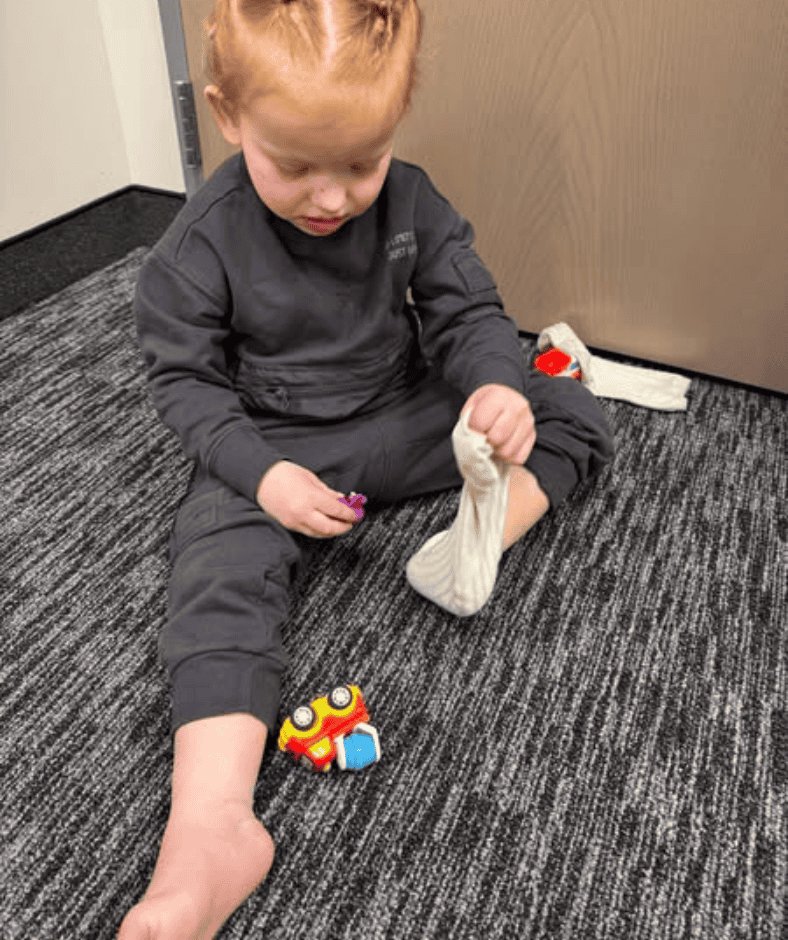
Self Care Independence
Our occupational therapists work to promote self-care independence by improving an individual’s ability to perform daily activities and manage personal care without reliance on others. This skill is crucial for fostering confidence, autonomy, and overall well-being.

Sensory Processing
Sensory processing therapy aims to enhance an individual’s ability to manage sensory information effectively, fostering better engagement in daily life. Through tailored interventions, structured sensory diets, and supportive strategies, individuals can develop the skills needed to navigate their sensory environments more comfortably and confidently.

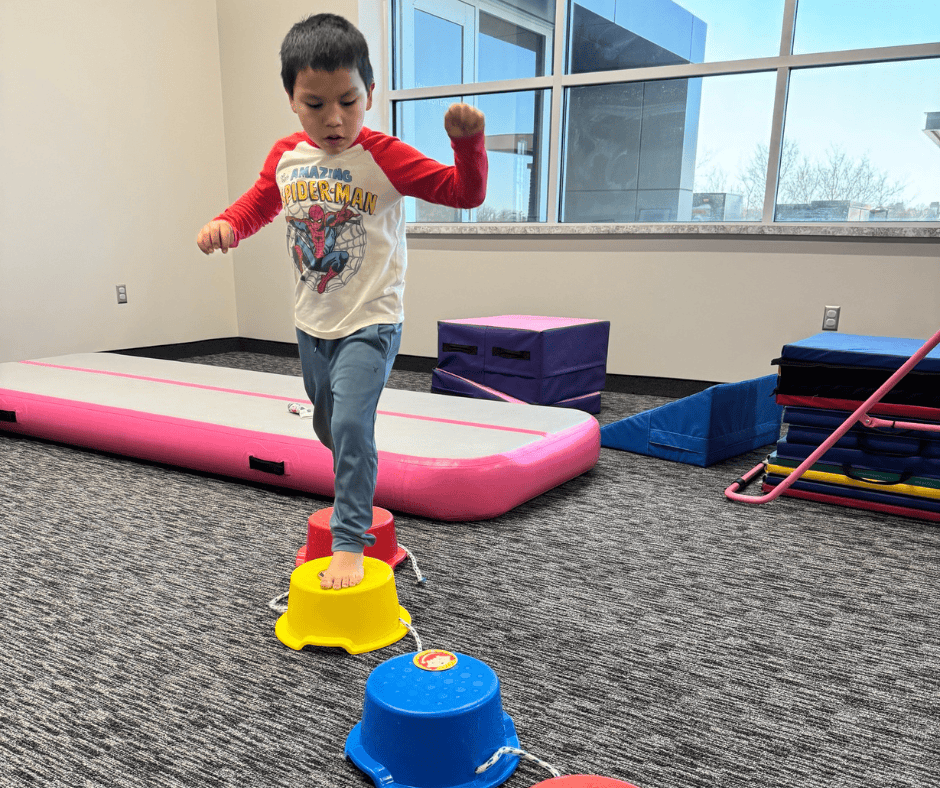
Gross Motor Coordination
This involves engaging in activities that promote strength, balance, and control of large muscle groups. Improving gross motor skills enhances overall physical fitness and can also boost confidence in physical activities.

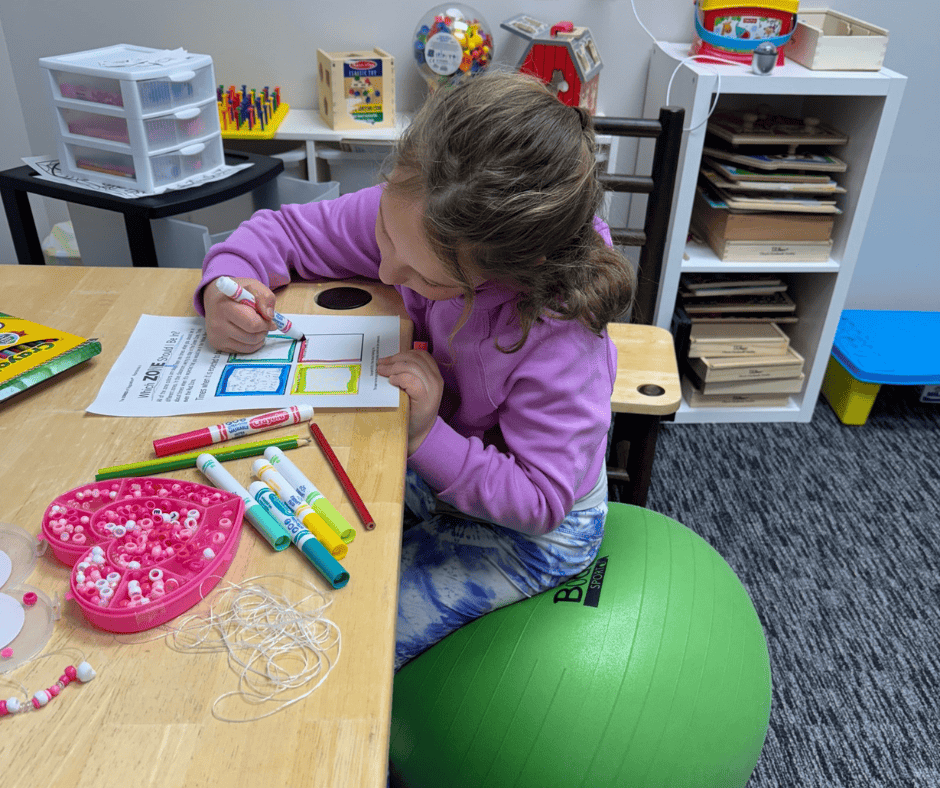
Emotional Regulation
Emotional regulation therapy aims to empower individuals with the skills necessary to understand and manage their emotions effectively. By incorporating various therapeutic approaches and techniques, individuals can learn to navigate emotional challenges, improve their coping strategies, and foster healthier relationships.

Visual Motor Coordination
Improving visual motor coordination involves enhancing the ability to integrate visual information with motor skills. This is crucial for tasks like writing, catching a ball, and driving.

Fine Motor Coordination
This focuses on improving dexterity and hand strength, making everyday tasks easier and enhancing overall coordination.

Collaboration and Counseling
Occupational Therapists collaborate with families, educators, and other healthcare professionals to provide comprehensive care. They may also offer counseling and support to individuals and their families to address areas of support.
We accept most insurances including medical assistance
*Individual plans may vary, check with your insurance to learn about specific coverage information.
Get Started
Send us a short message about what your child’s needs are or any questions that you have and we will get back to you shortly.
Occupational Therapy FAQs
Here are some answers to Frequently Asked Questions about Occupational Therapy.
What is pediatric occupational therapy?
Pediatric occupational therapy (OT) is a type of therapy that helps children develop the skills needed to participate in everyday activities or “occupations.” For children, these activities include things like playing, learning, self-care tasks (dressing, eating, brushing teeth), and interacting with peers. Occupational therapists work with children to improve their ability to perform tasks that are important for their development, independence, and overall well-being.
What skills does an Occupational Therapist work on?
Motor Skills Development:
Fine Motor Skills: These involve the small muscles of the hands and fingers used for tasks like writing, drawing, buttoning clothes, or using utensils.
Gross Motor Skills: These involve larger muscle groups and activities such as running, jumping, balancing, and climbing.
Sensory Processing: Some children have difficulty processing sensory information (e.g., sounds, textures, or lights), which can affect their ability to function in everyday situations. An OT can help children better understand and respond to sensory inputs, improving how they engage with the world.
Sensory Integration: Some kids might be oversensitive (hyper-responsive) or under-sensitive (hypo-responsive) to sensory stimuli like noise, touch, or movement. OT helps them adjust and respond more appropriately to these sensory challenges.
Self-care Skills: Pediatric OTs help children with tasks like dressing, feeding, bathing, grooming, and toileting. Developing these skills helps children gain independence and confidence.
Cognitive and Attention Skills: Occupational therapists also work on improving cognitive skills such as attention, problem-solving, memory, and organization, which are necessary for schoolwork and daily life.
Social and Emotional Skills: Many children need help understanding and expressing emotions, developing appropriate social skills, and learning to interact with others in a variety of social situations. OT can help children with these challenges, particularly those with developmental or behavioral disorders (like autism)
Play Skills: Play is a crucial part of childhood development. Occupational therapists help children develop appropriate play skills, such as sharing, taking turns, and using toys in creative ways. Play therapy can also support social interactions, imagination, and cognitive development.
How long are therapy sessions?
Most therapy sessions are 30-60 minutes and are tailored to your child’s specific needs and learning style.
Can I stay with my child during therapy sessions?
Yes, parents are encouraged to participate in therapy sessions to learn strategies that can be carried over into the home environment.
How do I know if my child needs therapy?
If you notice developmental delays, difficulty communicating or understanding language, problems with motor skills, or feeding challenges that interfere with your child’s daily life, a therapist can evaluate their needs. You may also consult with a therapist over the phone to determine if an evaluation is recommended.
What does an evaluation look like?
An evaluation typically involves observing your child, completing standardized assessments, and discussing their developmental history and current abilities with caregivers to determine areas that need support.
Do I need a referral from a pediatrician?
A referral from a pediatrician is not needed unless it is required by the individual’s insurance. The team will let you know if this is necessary when completing a benefit check.
How often will my child need therapy?
The frequency of therapy depends on the child’s needs and goal areas, which will be determined after their initial evaluation. Sessions can typically be scheduled from 1-2 times a week, though some children may benefit from more or less therapy.
What insurances are accepted?
We accept BlueCross BlueShield of Minnesota, Cigna, Medica, HealthPartners, Aetna, United HealthCare, and Medicaid Minnesota, although individual plans may vary. The team will do a benefit check to determine coverage prior to starting services.