


Mealtime is often imagined as a relaxed family gathering, filled with laughter, conversations, and delicious food. But if your child struggles with feeding skills, the reality may feel much different—stressful, frustrating, and emotionally draining. As parents, you want nothing more than to nourish your child, not just with food, but with the joy and connection that sharing meals brings. If this sounds like your experience, know this: you’re not alone, and there’s hope.
Feeding therapy is an essential lifeline for families navigating feeding challenges. Whether your child is grappling with chewing difficulties, sensory aversions, or an extremely limited diet, the right support can make a world of difference. In this blog, we’ll explore the complex nature of feeding challenges, the transformative benefits of feeding therapy, and actionable advice to empower you and your child on this journey to happier, healthier mealtimes.
Understanding Feeding Challenges: More Complex than You Think
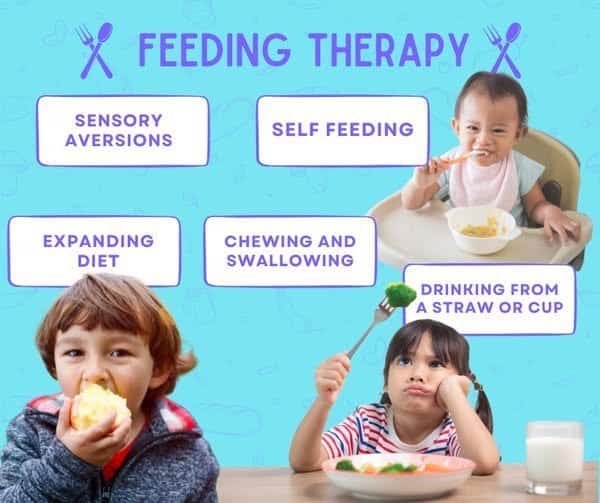
Feeding may appear to be a simple act of putting food in your mouth, chewing, and swallowing, but in reality, it’s an intricate process that requires multiple skills to work together seamlessly. For many children, feeding doesn’t come naturally. Here are some common reasons why:
1. Chewing and Swallowing Difficulties
Proper chewing and swallowing require significant coordination between the tongue, jaw, and throat. If these skills are delayed or impaired, children may struggle to process food safely, leading to gagging, choking, or avoiding meals altogether.
2. Self-Feeding Skills
Learning to hold utensils, scoop food, and bring it to the mouth is an important developmental milestone. If fine motor skills are delayed, your child might struggle to feed themselves, causing frustration for both them and you.
3. Sensory Aversions
For some children, the texture, smell, or appearance of certain foods can feel overwhelming or even unbearable. This is known as a sensory aversion. For instance, a child may gag at the sight of mashed potatoes or refuse to touch sticky foods like yogurt.
4. Limited Diet
Some children stick to a handful of “safe foods,” like crackers, chicken nuggets, or applesauce, rejecting anything new or unfamiliar. This limited diet can lead to nutritional gaps, social challenges, and heightened tension at mealtime.
Feeding difficulties can stem from a variety of causes, including medical issues, developmental delays, or sensory processing difficulties. Whatever the root cause, know that these challenges don’t reflect your parenting. They simply highlight the need for specialized support—and that’s where feeding therapy comes in.
The Benefits of Feeding Therapy
Feeding therapy is much more than teaching your child how to eat—it’s about fostering confidence, independence, and a positive relationship with food. Here’s how feeding therapy can transform your family’s mealtime experience:
🍴 Improved Chewing and Swallowing
Through tailored exercises and strategies, feeding therapists help children develop the muscle strength, coordination, and awareness needed to chew and swallow safely.
🥄 Mastering Self-Feeding Skills
Feeding therapy often includes fine motor skill development, helping your child gain the confidence and independence to feed themselves. This not only makes meals easier but also builds self-esteem.
👃 Reducing Sensory Aversions
A therapist will gently expose your child to new textures, tastes, and smells in a safe, non-judgmental environment, helping them build tolerance and eventually embrace a wider range of foods.
🍎 Expanding Diets
If your child clings to a “repetitive diet,” feeding therapy introduces them to new foods in a playful, low-pressure context. With time and patience, their list of accepted foods can grow, leading to better nutrition and more enjoyable family meals.
🤝 Lowering Mealtime Stress
One of the most immediate benefits of feeding therapy is the emotional relief it brings. Both you and your child will learn strategies to make mealtime feel less like a battleground and more like a bonding experience.
Practical Advice for Parents: Small Steps Lead to Big Change
You may be wondering how to help your child today, even before starting therapy. Here are some practical strategies to make mealtimes more positive:
- Keep Things Calm: Children are highly attuned to emotions. If they sense stress or frustration during mealtime, they may internalize eating as a negative experience. Try to remain calm and patient, even during challenging moments.
- Celebrate Small Wins: Did your child touch a new food today, even if they didn’t eat it? Celebrate! Progress often happens in tiny, incremental steps, and every step counts.
- Provide Consistent Opportunities: Offer small portions of new foods alongside familiar ones during mealtime. Exposure is key—even if they don’t eat it, just seeing and smelling the food helps build familiarity.
- Incorporate Play: Make new foods more approachable through play. For example, let your child touch, stack, or even squish a food they’re hesitant about. Play reduces pressure and encourages exploration.
- Model Positive Behaviors: Let your child see you enjoying a wide variety of foods. They may eventually grow curious and want to join you.
Encouragement for Families: You’re Not Alone
Parenting a child with feeding challenges can feel isolating, but remember: countless other families are walking this road too, and support is available. Feeding difficulties are not a reflection of your parenting ability; they’re simply a hurdle that you and your child can overcome together with the right guidance.
Seeking help is a powerful act of love. Feeding therapy doesn’t just improve your child’s eating skills—it transforms how the entire family experiences food and bonding. Celebrate the courage it takes to acknowledge challenges and pursue solutions.
Your Next Step: Let Us Support You
If you’re concerned about your child’s feeding skills, trust your instincts and reach out. Early intervention is key to addressing feeding challenges before they escalate. Our specialized feeding therapy services are tailored to meet your child’s unique needs, guided by experienced professionals who are passionate about your family’s well-being.
We’re committed to making mealtime a positive, fulfilling experience for your child—and for you. Contact us today to learn more, ask questions, or set up your first feeding therapy session. Together, we can help your child develop the skills and confidence they need to thrive at the table and beyond!
📞 Call us today and take the first step toward happier mealtimes.
Let’s turn struggles into successes—and bring the joy back to your family’s table. 🍽️
0 Comments