


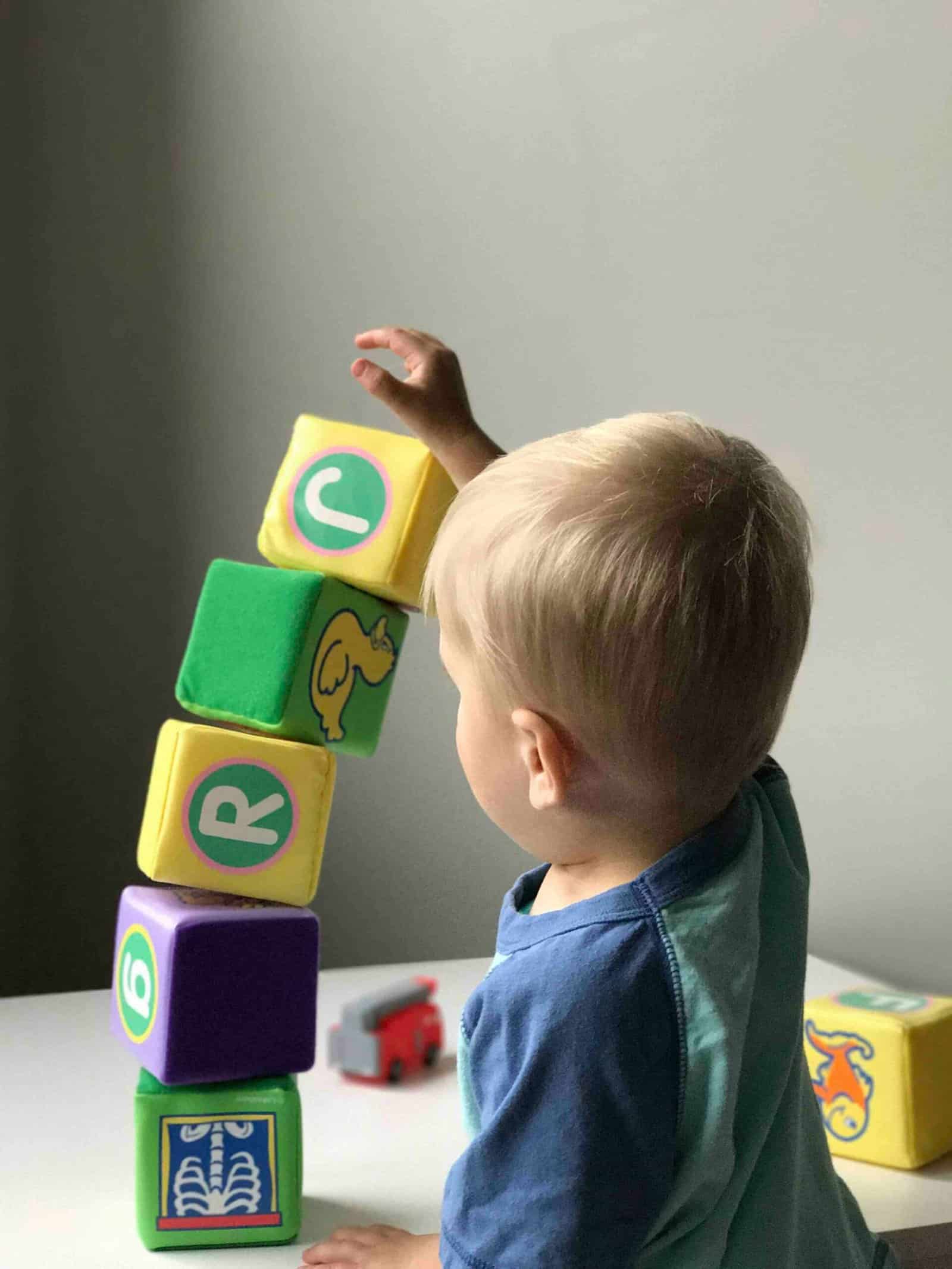
Building Self-Confidence in Shy Children Through Play
At Strengths in Motion, we understand the unique challenges that shy children face. We believe in the power of play to help build self-confidence and support their growth. Here, we explore various strategies to foster self-assurance in shy children using playful activities.
Understanding the Needs of Shy Children
Shy children often experience feelings of discomfort and anxiety in social situations. Recognizing these emotions is the first step towards helping them. Our approach is both empathetic and supportive, focusing on each child's individual needs.
The Role of Play in Building Confidence
Play is a powerful tool that can help children express themselves, explore their emotions, and develop social skills. Through structured and unstructured play, children can gradually build self-confidence in a safe and fun environment.
Benefits of Play
- Encourages self-expression
- Develops social skills
- Boosts emotional resilience
- Fosters creativity and problem-solving abilities
Types of Play Activities
Different play activities can target various aspects of a child's development. Here are some examples:
- Role-Playing Games: These activities allow children to step into different characters, helping them explore new social roles and scenarios.
- Group Games: Participating in group activities can teach cooperation and teamwork, reducing feelings of isolation.
- Creative Arts: Engaging in arts and crafts can be a therapeutic way for children to express their feelings and build confidence in their abilities.
- Physical Play: Activities like running, jumping, and climbing can improve physical coordination and boost self-esteem.
Creating a Supportive Environment
Creating a nurturing and supportive environment is crucial for the development of self-confidence in shy children. Here are some tips for parents and caregivers:
- Be Patient: Understand that building confidence takes time. Celebrate small victories and progress.
- Offer Encouragement: Provide positive reinforcement and acknowledge their efforts.
- Model Confident Behavior: Children often learn by observing. Demonstrate confident behavior in your interactions.
- Provide Structure: A structured environment with clear expectations can help shy children feel more secure.
Collaborating with Therapists
Professional therapists can provide additional support and strategies tailored to your child's unique needs. Collaborating closely with therapists ensures a comprehensive approach to building self-confidence.
Benefits of Therapy
- Individualized attention and strategies
- Expert guidance on specific challenges
- Support for both children and families
Conclusion
Building self-confidence in shy children is a journey that requires patience, understanding, and the right strategies. By leveraging the power of play and creating a supportive environment, we can help shy children blossom into confident individuals.


0 Comments