

Bubbles: The Magical Tool for Language Development in Children
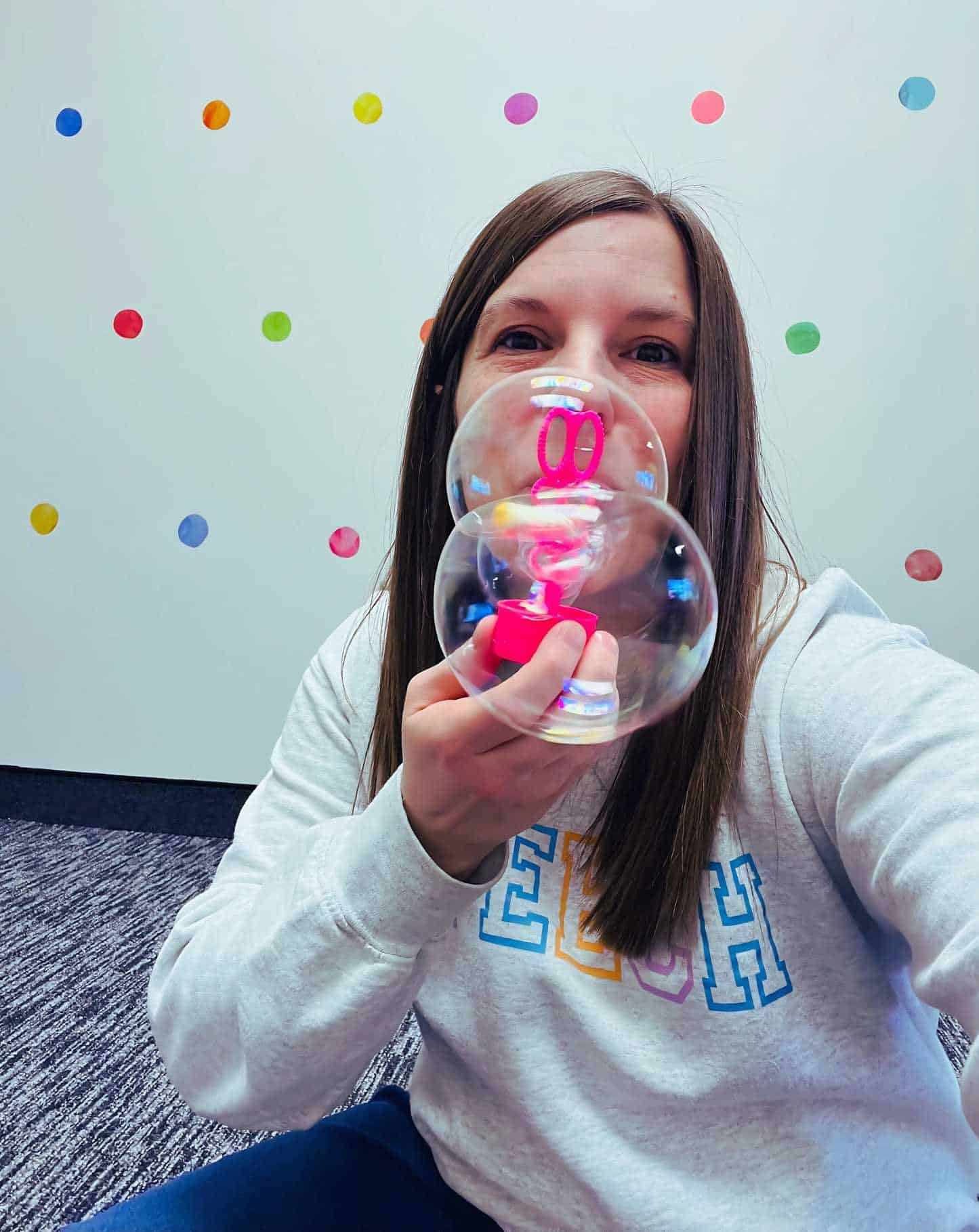
When most people think of bubbles, they imagine a fun and carefree activity that brings smiles and laughter. But did you know that bubbles are much more than just a source of entertainment? These floating, shimmering orbs are also a powerhouse for fostering language development in children. With a little creativity, this simple activity can help kids build essential communication skills, enhance social interactions, and experience the excitement of learning through play. Let’s dive into the educational benefits of bubbles and explore how you can incorporate them into your child’s learning journey.
Building Communication Through Bubble Play
One of the most exciting aspects of playing with bubbles is how it encourages children to communicate. Whether they’re asking for “more” bubbles, saying “blow” to get you to start, or simply shouting “bubbles!” in delight, kids naturally find reasons to use their voice. These requests are fundamental building blocks of language development, helping children learn to express their needs and desires. For toddlers or children with delayed speech, bubbles provide a low-pressure, motivation-rich opportunity to practice new words and sounds.
Imitation and Cause-and-Effect Learning
Bubble activities also invite children to observe and mimic actions—a critical skill for language development and social bonding. For instance, when you clap your hands after a bubble pops or point to a big bubble and exclaim, “Wow! Look at that one,” children are likely to imitate your gestures and excitement. This mimicking behavior strengthens their ability to engage with others and process language in context. Additionally, bubbles teach cause-and-effect concepts in a way that feels magical. Pop a bubble, and it’s gone! Blow gently, and more appear. These experiences reinforce cognitive problem-solving skills while keeping kids engaged.
Encouraging Descriptive Language
Bubbles also serve as an excellent medium for introducing and practicing vocabulary. From size (“big bubble,” “tiny bubble”) to movement (“floating,” “popping”), bubble play presents endless opportunities for children to use descriptive words. Parents and educators can expand on this by asking open-ended questions: “What color are the bubbles?” or “How many bubbles can you pop?” These prompts spark deeper conversations, enhancing both language and critical thinking skills.
Joint Engagement and Shared Joy
Perhaps one of the most heartwarming aspects of bubble play is the joint engagement and connection it fosters. Whether it’s siblings chasing bubbles together or a parent laughing as bubbles float around them, this activity promotes shared joy. Joint engagement—the mutual focus on a shared activity—plays a crucial role in developing social-emotional and communication skills. It helps children learn to take turns, share excitement, and bond with others in meaningful ways.
How to Make Bubble Play Even More Educational
Here are a few simple activities to enrich your bubble play:
- “Ready, Set, Go” Game: Before blowing bubbles, say, “Ready, set…” and pause to let the child complete with “go!” This builds anticipation and introduces sequencing words.
- Bubble Catch Race: See how many bubbles your child can catch or pop in a set time frame, building motor skills and focus.
- Descriptive Bubble Challenges: Ask your child to find and pop specific bubbles, such as “the biggest bubble” or “three small bubbles.”
- Sing Along with Bubbles: Pair bubble play with songs like “Pop Goes the Bubble!” to reinforce musical rhythm and language repetition.
Whether you’re a parent, educator, or caregiver, one thing is certain: bubbles are an affordable, accessible, and incredibly enjoyable way to support language development in young children. So next time you’re outside, grab a bottle of bubbles and watch as laughter and learning take flight.
What are your favorite ways to incorporate bubbles into playtime? Let’s keep the bubble joy flowing—one pop at a time! 🫧
0 Comments