
Welcome, parents and caregivers! At Strengths in Motion – Speech & Occupational Therapy, we’re passionate about helping children build strong communication skills that unlock their potential and independence. You may have heard us talk about “core words” in our therapy sessions or on our social media, and today, we want to dive a little deeper into this powerful concept.
Did You Know?
Let’s start with a fascinating fact: out of the thousands and thousands of words in the English language, a relatively small group of just about 200 words makes up roughly 80% of the words we use in our everyday conversations! Think about that – the majority of our daily communication relies on a core vocabulary.
These are what we call core words. Unlike “fringe words” which are specific nouns like “dinosaur,” “banana,” or “bicycle,” core words are functional, adaptable words that cross many topics and situations. They include:
- Verbs: action words like go, eat, want, do, make, like
- Pronouns: words that replace nouns, like I, you, he, she, it, they
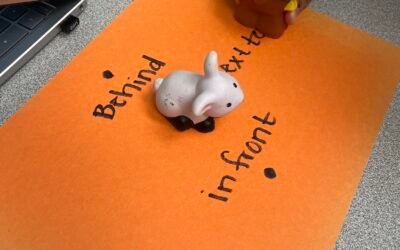
- Prepositions: words that show location or relationship, like on, in, out, up, down
- Adjectives/Descriptors: words that describe, like big, little, more, different
- Adverbs: words that modify actions or descriptions, like fast, slow, here, there
- Articles & Conjunctions: little words that connect or specify, like a, the, and, but
Think about how many different sentences you can make with just a few core words:
- “I want go.”
- “You make big.” (Maybe describing a tower or a drawing)
- “Go up fast!”
- “I like that.”
- “More eat please.”
These simple words are the glue that holds our language together.
Why Are Core Words So Important in Pediatric Speech Therapy?
At Strengths in Motion, focusing on core words is a cornerstone of our approach for many children, especially young communicators or those facing communication challenges. Here’s why:
- They are Highly Versatile: Because core words are used so frequently and across so many contexts, teaching a core word delivers incredible value. Learning the word “go” doesn’t just apply to leaving the house; it applies to playing tag, making a toy car move, talking about a trip, or requesting someone else to start an action. Mastering one core word unlocks countless communication opportunities.
- They are Used Across All Environments: Unlike naming specific toys or foods (which change depending on where you are), core words like “want,” “more,” “help,” “stop,” “in,” and “out” are relevant whether a child is at home, at school, on the playground, or at Grandma’s house. This makes communication functional and consistent no matter the setting.
- They Build Independence in Communication: Targeting core words empowers a child to go beyond just labeling objects. It gives them the vocabulary to express their wants (“I want more”), state their needs (“Help please”), share their feelings (“I sad”), make observations (“Big dog go!”), ask questions (“Where go?”), and combine words to create novel messages. This ability to generate unique messages using functional words is key to becoming an independent communicator, reducing frustration and increasing confidence.
Core Words for Every Communicator
One of the most beautiful things about core words is that their importance isn’t limited to children who use verbal language. Whether a child primarily uses:
- Verbal Speech: Core words provide the framework for building phrases and sentences.
- Sign Language: Mastering core signs for core words gives children the building blocks for signing conversations.
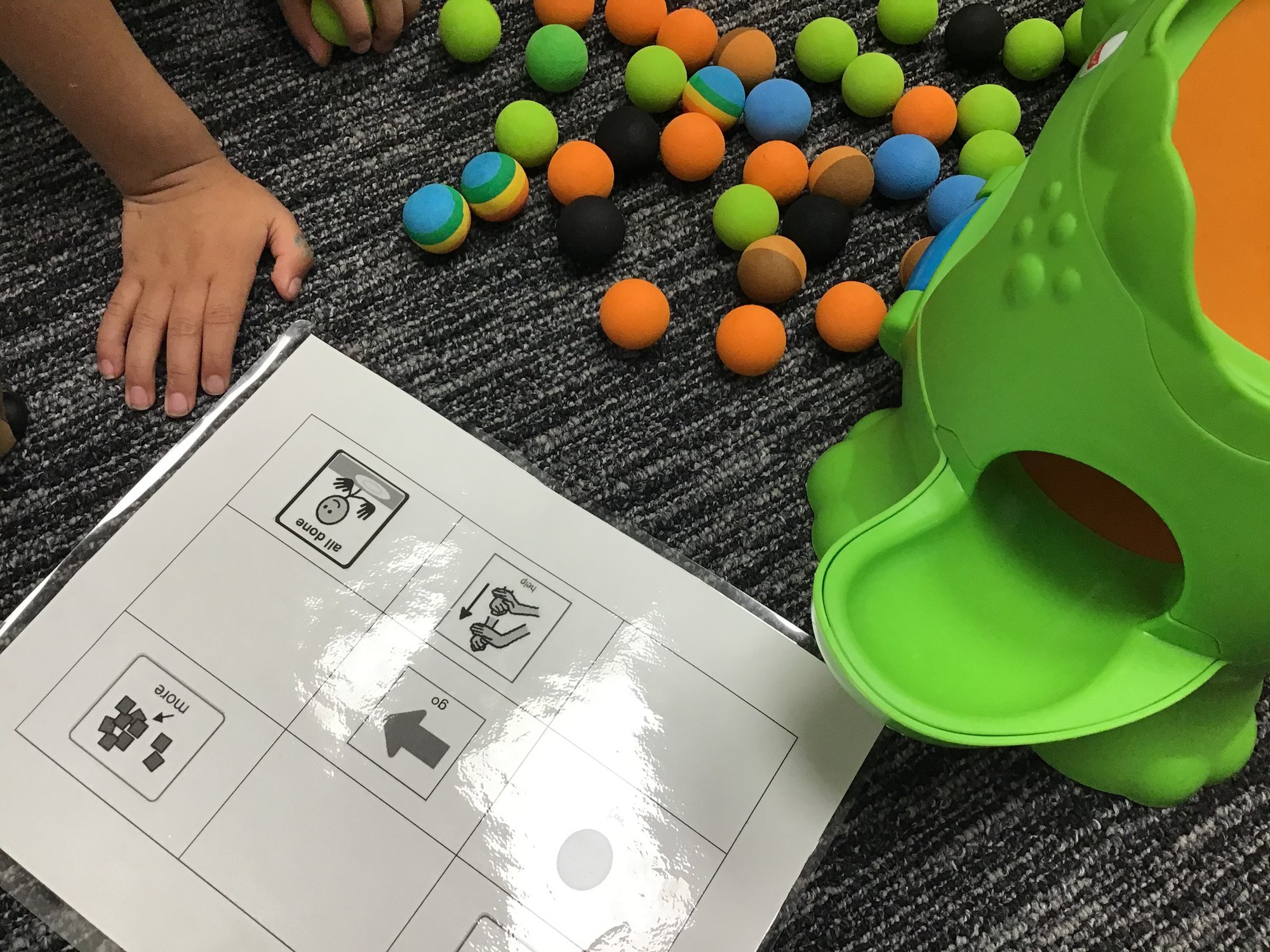
- AAC (Augmentative and Alternative Communication): Core words are typically foregrounded and easily accessible on AAC devices or communication boards because they are needed so frequently. Teaching and modeling core words on an AAC system allows children to quickly communicate a wide range of messages.
In therapy, we weave core words into play-based activities and functional routines. We model them constantly, provide opportunities for children to use them, and celebrate every step of progress. Our occupational therapists also play a vital role by helping children with sensory regulation, attention, and fine motor skills that support successful participation in communication activities.
Building Communication Strengths Together
By focusing on these essential building blocks, we are helping children develop a flexible, functional vocabulary that allows them to communicate what’s important to them. It’s about giving them the tools to connect with the world around them and express their unique selves.
If you’re interested in learning more about how core words can support your child’s language development, or if you have concerns about their communication skills, the team at Strengths in Motion – Speech & Occupational Therapy is here to help. We tailor our approach to meet each child’s individual needs and strengths.
Ready to explore how we can build communication strengths together? Contact Strengths in Motion today!
0 Comments