

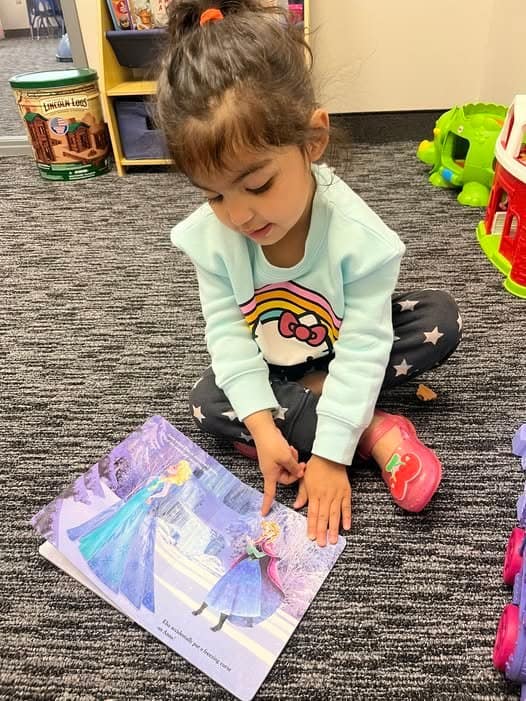
Did your child just finish reading a book, watching a movie, or having an eventful day at the park? Instead of simply asking them, “Did you have fun?” or “Did you like it?” why not take it a step further and ask them to retell the story or describe their day? Story retelling is more than just a fun activity—it’s a powerful and playful way to help your child develop essential language skills that will serve them in both conversation and writing for years to come.
At Strengths in Motion – Speech & Occupational Therapy, we love sharing practical ideas that parents can use to make language development engaging at home. Let’s dive deeper into the benefits of story retelling and explore some creative ways to incorporate it into your daily routine.
The Secret Language Skills Hidden in Story Retelling
Story retelling isn’t just about recalling what happened. It’s an activity that exercises a wide range of language and cognitive skills necessary for your child’s growth. Here’s what your child practices when they retell a story:
- Sequencing
Children learn how to organize events in the correct order (what happened first, next, and last). This skill is foundational for understanding and communicating concepts clearly, both verbally and in writing. - Vocabulary
Story retelling encourages children to use new words and expand their lexicon in a natural, context-rich way. For example, they might describe how a character “tiptoed” instead of “walked” or “gobbled up” instead of “ate,” deepening their understanding of language. - Grammar and Sentence Structure
By telling you about a story or event, children practice constructing sentences. They might start with short, simple sentences and gradually work up to more complex ones. - Memory and Attention
Remembering what happened in a story or their day builds memory skills. It also demands attention to detail—an important aspect of both language and learning. - Narrative Organization
Story retelling teaches kids how to structure a narrative logically. Whether they’re telling a funny anecdote or writing their first essay, this skill is key for effective communication.
All of these skills are the building blocks of early literacy, which sets the stage for academic success and confident expression.
Making Story Retelling a Fun Habit
The best part about story retelling? You can sneak it into your day without any extra prep! Here are a few ideas to seamlessly weave it into your routines:
1. After Reading a Book
Once you’ve finished reading a story together, ask your child fun, open-ended questions:
- “What happened at the beginning of the story?”
- “Why do you think the main character chose to do that?”
- “Can you remember what happened after they found the treasure?”
For added fun, act out the story together with toys or puppets. For younger kids, simplify it—use pictures from the book to help them sequence events.
2. During Car Rides
Turn car rides into storytelling adventures! After a trip to the zoo or a visit with friends, ask:
- “Can you tell me all about what we did today?”
- “Which part was your favorite? Why?”
Encourage them to describe what they saw, who they interacted with, and how they felt. Use prompts to nudge more details if they get stuck.
3. At the Dinner Table
Mealtimes are a perfect opportunity for everyone to share their “story of the day.” Prompt them with questions like:
- “What’s the most exciting thing that happened at school today?”
- “Can you retell what happened when you played that new game?”
Engage the whole family by taking turns sharing stories. This collaborative activity builds listening skills too!
4. After Watching a Movie or Show
Use post-movie chats as a chance to strengthen your child’s language skills:
- “What was the story about?”
- “Who was your favorite character, and why?”
- “If you could change the ending, what would you do differently?”
You can make it extra interactive by having them draw a picture of their favorite scene or make up an alternate ending to the story.
Keep It Simple and Supportive
It’s important to meet your child where they are. If they’re feeling shy or uncertain, offer support by modeling the activity first. For example, you could say, “Let me tell you about what happened today at work,” and let them follow your example. You can also offer gentle prompts, like “What happened next?” or “Can you remember what the dragon did in the forest?”
Praise their efforts, not just their accuracy. Remember, the goal isn’t perfection—it’s practice and fun!
Why It Matters
By incorporating story retelling into your daily routines, you’re not just boosting your child’s language development; you’re also creating meaningful moments of connection and curiosity. These skills—sequencing, vocabulary, grammar, memory, and narrative organization—are crucial building blocks that help children thrive in both conversation and writing.
So, take a few minutes today to ask your child: “Can you tell me a story about what happened?” You might be surprised at how much they have to say and how it brings their world to life in a whole new way.
At Strengths in Motion – Speech & Occupational Therapy, we’re here to help every step of the way. Feel free to reach out for more speech therapy ideas or guidance to support your child’s language development journey!
Happy storytelling!
#SpeechTherapyIdeas #StoryRetelling #LanguageDevelopment #EarlyLiteracy

0 Comments