

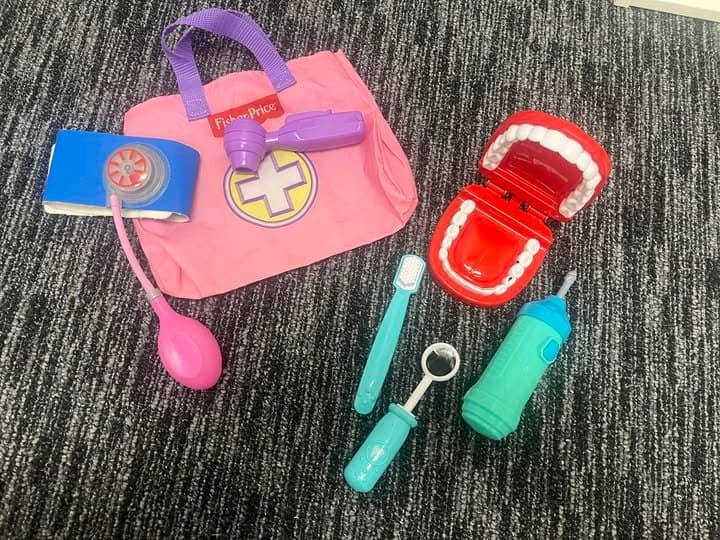
Have you ever watched young children playing dress-up or creating imaginary worlds with their toys? This type of play, called pretend play, is much more than just fun and games. It’s actually helping kids develop important skills they’ll use throughout their lives.
What Is Pretend Play?
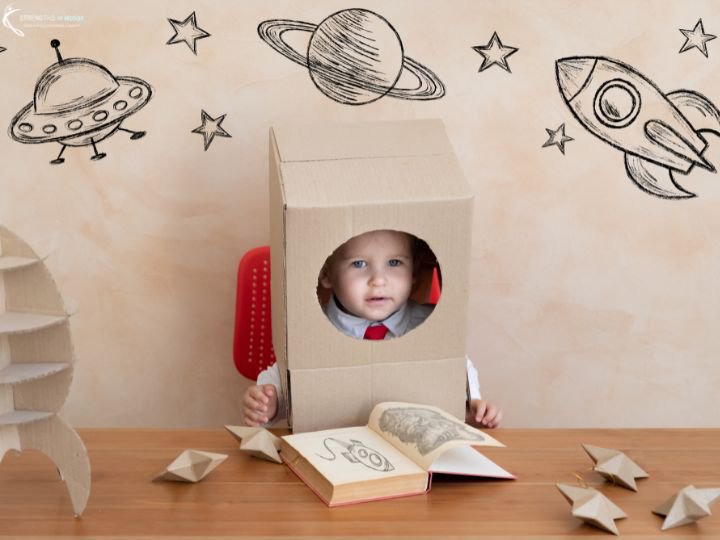
Pretend play happens when children use their imagination to create stories and situations. This could be as simple as turning a cardboard box into a spaceship or pretending to run a restaurant in their kitchen. These activities might seem simple, but they’re helping children learn and grow in amazing ways.
How Pretend Play Helps Kids Learn
Better Speaking and Language Skills
When kids play pretend, they practice using new words and speaking clearly. Think about a child playing “teacher” – they need to explain things to their stuffed animal students, just like real teachers do. This helps them learn how to express their thoughts better and use more advanced vocabulary.
Problem-Solving Practice
During pretend play, kids often face make-believe challenges they need to solve. For example, when playing “rescue mission,” they might need to figure out how to save their teddy bear from the top of a “mountain” (maybe their bed or a chair). This helps them learn to think creatively and solve problems.
Understanding Others’ Feelings
When children pretend to be different characters – like a doctor, parent, or even a superhero – they learn to see things from other people’s points of view. This helps them understand how others might feel in different situations, making them more caring and understanding.
Better Focus
Staying in character and remembering the “rules” of their pretend game helps kids practice focusing for longer periods. This skill comes in handy later when they need to pay attention in class or complete homework.
Easy Ways to Encourage Pretend Play
Here are some simple ideas to help kids enjoy pretend play:
- Create costumes using old clothes
- Turn everyday items into props (like using a paper tube as a telescope)
- Make puppet shows using socks or paper bags
- Build forts using blankets and furniture
- Set up a pretend store or restaurant using items from around the house
Remember: You don’t need expensive toys for good pretend play. Sometimes the simplest things, like empty boxes or kitchen utensils, make the best props for imagination!
Try This at Home
Next time you see younger siblings or children playing pretend, pay attention to all the skills they’re using. Maybe you’ll remember some of your own favorite make-believe games from when you were younger. What was your favorite pretend play activity? Did you like being a superhero, running a store, or exploring space?
Share your memories and favorite pretend play ideas in the comments below! Maybe your ideas will inspire others to try new ways of playing and learning through imagination.
Remember: Even though pretend play might look simple, it’s helping kids learn important skills they’ll use their whole lives. So the next time you see kids playing make-believe, you’ll know they’re not just having fun – they’re building their future skills!
What do you think? Do you remember your favorite pretend play activities from when you were younger? Share your stories in the comments!
0 Comments